

Us Immigrant Visas
Received a USCIS Request for Evidence (RFE)? How to Respond Before the Deadline
October 12, 2026
6 min read
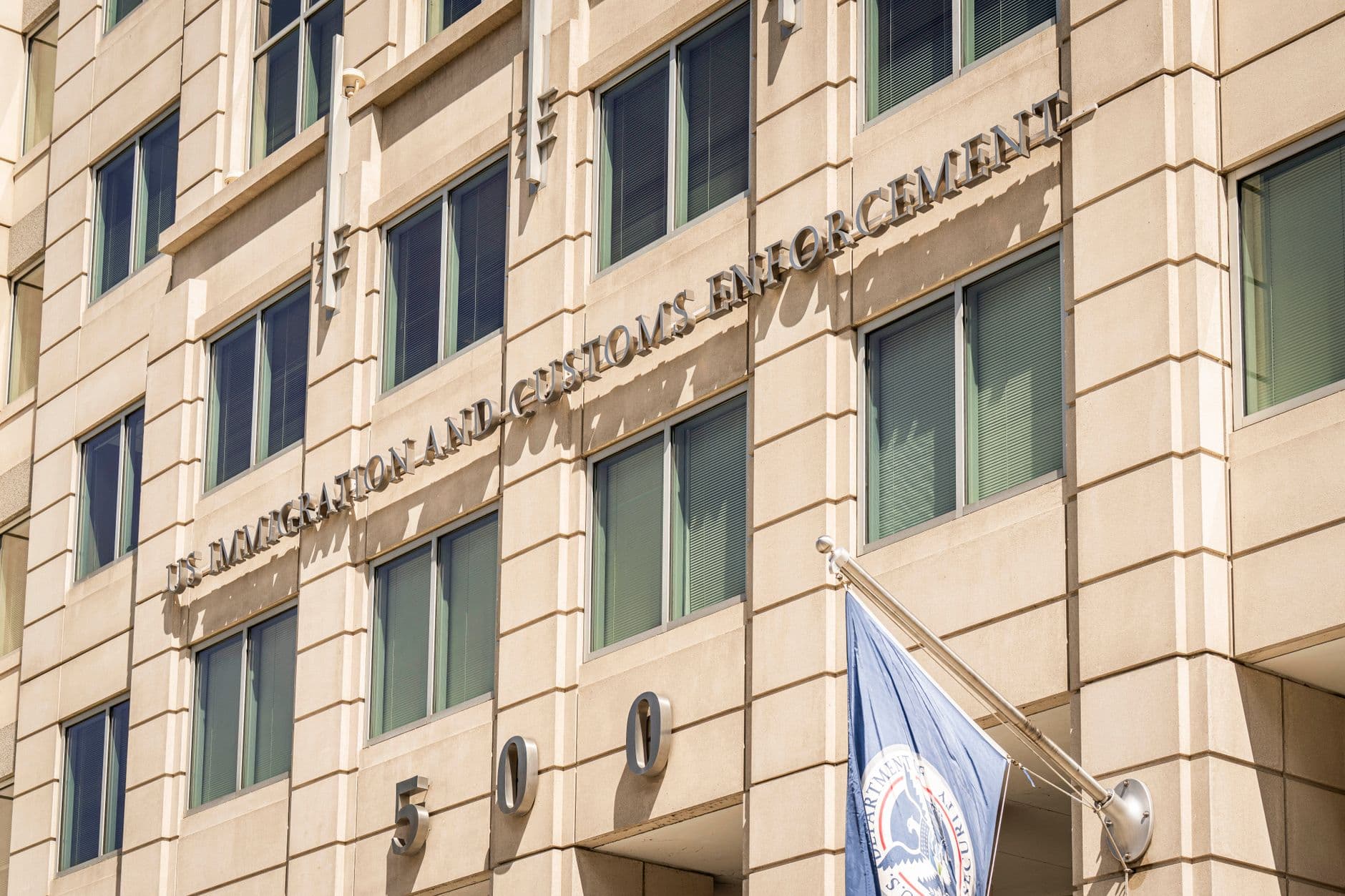
President Donald Trump’s administration came with sweeping new immigration policies. These policies have greatly disrupted the deportations, asylum, and enforcement work models across the United States. In California, which is home to millions of immigrants, the changes could have significant impacts on families, jobs, and communities.
This article gives a detailed overview of the new immigration and deportation policies in the United Sates after Trump`s reelection. It uses California as a case study and examines how these new policies could affect immigrants living in the Golden State.
The issue of immigration has always made headlines in the United States. This is particularly the case in California, which is home to the largest number of immigrants in the entire country. A significant percentage of California residents were born outside the United States.
Many of these immigrants only came to the Golden State as adults in search of greener pasture, seek asylum, or reunite with their families. Consequently, any major reforms to the immigration policies often affect a larger chunk of California residents.
Interestingly, Donald Trump`s administration seems to have taken a notable interest in immigration reforms and enforcement. The major focus areas of these policies are stronger border security, stricter asylum rules, and faster deportation procedures.
Many who support these policies claim that they can be helpful in ensuring optimal enforcement of immigration laws and protecting national security. However, a bunch of naysayers argue that these policies only create panic and could worsen the rate of family separations. In California, the impacts of these policies are heavier.
For over a century, California has remained the allure of many immigrants for several reasons. From its large economy to the cultural diversity, and job opportunities, the Golden State has continuously ranked as the top destination for new migrants.
These immigrants have also made notable contributions to key sectors in the state. The table below highlights several major industries that depend on immigrant workers.
| Industry | Role of Immigrant Workers | Why It Matters |
|---|---|---|
| Agriculture | Harvest fruits, vegetables, and nuts | California produces a large share of the nation's food |
| Construction | Build homes and infrastructure | Supports housing growth and development |
| Hospitality | Work in hotels, restaurants, and tourism | Drives tourism revenue |
| Technology | Engineers and software developers | Helps power Silicon Valley innovation |
| Healthcare | Nurses, caregivers, and medical support staff | Supports hospitals and elderly care |
Because immigrants help power these industries, immigration policies often have economic effects beyond the immigrant community.
The Trump administration has made immigration enforcement a major priority across the United States. Federal agencies like Immigration and Customs Enforcement (ICE) have stepped up operations aimed at identifying undocumented immigrants and deporting people who are living in the country without legal status.
One policy that has received a lot of attention is called expedited removal. This rule allows immigration officers to quickly deport certain individuals without going through the full immigration court process.
In the past, expedited removal was mostly used at the U.S. border. However, under the expanded enforcement policies, it can also be used inside the country. This means that if immigration officers encounter any individual in the United States who cannot prove they have lived in the country for a certain amount of time, they could face rapid deportation.
For undocumented immigrants living in California, this policy may increase the risk of being detained and deported.
Sometimes, immigration enforcement takes place through workplace inspections or raids. In such cases, the federal agents may visit businesses to check whether employees have legal authorization to work in the United States.
This is most common in industries like agriculture, food processing, and construction. This is primarily because these industries employ large numbers of immigrant workers. These operations often affect these industries negatively as such raids often result in loss of workers and disruption of work operations. For instance, labor shortages in farms during harvest seasons could result in the spoilage of crops in the fields.
In its most basic sense, asylum is a model that helps people who fear persecution in their home countries to seek protection in the United States. The Trump administration, however, seemed to have tightened its requirements for individuals who seek asylum in the United States.
The new reform now requires some migrants seeking asylum to first request protection in countries they pass through before seeking asylum in the United States. While many people agree that this would significantly reduce the pressure on the U.S. immigration system, critics argue that migrants traveling through dangerous regions may not be able to safely apply for asylum before reaching the U.S. border.
It is also worth mentioning that the long list of asylum seekers in California is mainly because the Golden State shares a long border with Mexico. Also, cities such as San Diego often serve as entry points for migrants seeking protection.
Since California shares one of the longest sections of the U.S.–Mexico border, it is easy to imagine how federal border policies can directly affect communities in the state. Nevertheless, the Trump administration has continued investing in border enforcement through additional agents, advanced surveillance technology, and physical barriers in certain areas.
While officials say these efforts help prevent illegal border crossings and stop drug trafficking., humanitarian organizations argue that stricter border policies sometimes force migrants to travel through more dangerous routes.
In the United States, it is the duty of the immigration courts to decide whether individuals facing deportation can remain in the country. But this system is flawed due to many challenges. For example, there are currently thousands of immigration cases that are waiting to be heard in California.
The table below highlights several key challenges in the immigration court system.
| Issue | Description | Impact on Immigrants |
|---|---|---|
| Court Backlogs | Large number of pending cases | Long wait times for decisions |
| Limited Judges | Not enough judges for caseload | Slower hearings |
| Legal Costs | Many immigrants cannot afford attorneys | Harder to defend cases |
| Complex Laws | Immigration law is difficult to understand | Mistakes in applications or hearings |
These delays can leave families waiting years for a final decision about their future.
Immigration enforcement activity often focuses on cities with large immigrant populations. The table below highlights several California cities where immigration policies may have the greatest impact.
| City | Reason It Is Affected | Key Industries |
|---|---|---|
| Los Angeles | One of the largest immigrant populations in the U.S. | Entertainment, hospitality, services |
| San Diego | Located near the U.S.–Mexico border | Tourism, military, trade |
| Fresno | Major agricultural center | Farming and food production |
| Bakersfield | Large farming and oil industries | Agriculture and energy |
| San Jose | Part of Silicon Valley | Technology and innovation |
Because these cities depend on immigrant workers, immigration enforcement can affect both communities and local economies.
One of the most heartbreaking concerns about these new immigration policies is the high tendency of resulting in family separation. This is especially true in California where many migrant families consists members with different immigration statuses. A typical migrant family in California could include undocumented parents with children who are U.S. citizens.
Now, imagine getting the parents deported; the family could suddenly lose income and stability. These children may face emotional stress or be forced to move to a country they barely know.
In recent years, California has passed laws designed to limit cooperation between local police and federal immigration authorities. These laws are commonly called sanctuary policies. These new laws state that the local law enforcement generally does not detain people for immigration authorities unless they have been convicted of certain serious crimes.
While many people believe that these policies help immigrants feel safe reporting crimes to police, others criticize it for making it harder for federal authorities to enforce immigration laws.
It is easy to see the economic impacts of these new immigration laws on California. Immigrants are a major part of the workforce in the Golden State. Industries such as agriculture, construction, and hospitality rely heavily on immigrant labor.
If enforcement policies remove large numbers of workers, businesses may struggle to fill open jobs. In agriculture, unharvested crops can lead to economic losses and higher food prices. At the same time, supporters of stricter enforcement say these policies encourage businesses to hire workers who are legally authorized to work.
Immigration enforcement in California has increased in recent years. Data from immigration researchers and media reports show that arrests and deportations began rising sharply during 2025 as federal enforcement efforts expanded.
One analysis of federal records found that deportations in California rose by about 78% in 2025 compared with the previous year. During the first seven months of 2025, immigration authorities deported about 5,500 people from California, compared with roughly 3,000 during the same period in 2024.
By the first nine months of 2025, the number of deportations had reached about 8,250; analysts estimated the total to be around 13,000 at the end of the year 2025.
At the same time, arrests also increased. In some months of 2025, ICE agents arrested more than 3,000 people per month in California, far higher than earlier levels.
Researchers say the increase reflects a broader push to expand immigration enforcement nationwide.
| Year | Estimated ICE Arrests | Deportations / Removals |
|---|---|---|
| 2024 | ~5,600 arrests statewide | ~4,000 deportations |
| 2025 (Jan–Jul) | Rapid increase in arrests | ~5,500 deportations |
| 2025 (Jan–Sep) | Over 3,000 arrests monthly in some periods | ~8,250 deportations |
| 2025 (Projected Total) | Large surge in arrests statewide | Up to ~13,000 deportations |
| 2026 (Early estimates) | Increased enforcement expected | Data still developing |
Researchers studying ICE data have also looked at the trends on who are being arrested. As of February 2026 in California, roughly 73-77% of people in deportation proceedings or detention have no criminal convictions. Another significant percentage were arrested only for immigration violations, meaning they had no other criminal charges.
National data from immigration researchers also found that tens of thousands of people arrested during recent enforcement operations had no criminal record.
This shift has become part of the larger debate about immigration enforcement in the United States.
Supporters say the policy helps enforce immigration laws more consistently. Critics argue that it may target people who have lived peacefully in communities for years.
Some cities in California have seen noticeable increases in immigration enforcement.
For example, in the Fresno area, immigration authorities made 566 arrests between January and July 2025, compared with 331 arrests during all of 2024. Of those arrested in Fresno in 2025, about 270 had already been deported, with most sent to Mexico.
Researchers say this pattern reflects broader enforcement trends across California’s Central Valley and other regions with large immigrant populations.
Statistics about immigration arrests and deportations help explain how policies affect real communities.
In California, the numbers matter because:
As immigration enforcement increases, policymakers, community leaders, and residents are watching these trends closely.
Future statistics from federal agencies and academic researchers will help determine whether enforcement levels continue rising in the coming years.
Changes in immigration policy often create uncertainty for immigrant communities.
Even individuals who have lived in the United States for many years are sometimes perturbed about sudden changes in immigration laws and policies.
Community organizations, churches, and legal aid groups often provide information sessions to help immigrants understand their rights.
Knowing what to do during an encounter with immigration authorities can help reduce fear and confusion.
Immigration experts often recommend that immigrants stay informed about legal changes.
Important documents should be kept in a safe place, and families should know how to contact legal help if needed.
Several nonprofit organizations in California provide free or low-cost legal services to immigrants.
Legal advice can help individuals understand their rights and options under current immigration law.
Immigration policies continue to evolve as federal leaders adjust enforcement priorities. The Trump administration’s approach focuses on stronger enforcement and stricter rules.
In California, where immigrants are a central part of the population and economy, these policies may have long-term effects. The national debate about immigration is likely to continue. For immigrants living in California, staying informed about legal developments and understanding their rights are very crucial.
Reuters
https://www.reuters.com
Migration Policy Institute
https://www.migrationpolicy.org
U.S. Department of Homeland Security
https://people.com/ice-agents-arrests-with-no-criminal-record-11864055?utm_source=chatgpt.comhs.g
American Immigration Council
https://www.americanimmigrationcouncil.org
Brookings Institution
https://www.brookings.edu
Pew Research Center
https://www.pewresearch.org
USAHello Immigration Policy Updates
https://usahello.org
California Department of Finance
https://www.dof.ca.gov
Immigration Enforcement in the First Nine Months of the Second Trump Administration
https://deportationdata.org/analysis/immigration-enforcement-first-nine-months-trump.html
Related Articles

October 12, 2026
6 min read

December 22, 2024
7 min read

August 30, 2024
9 min read
Need guidance from an experienced immigration attorney?
Mr. Le offers a complimentary 30-minute consultation.