

Us Immigrant Visas
Trump’s New Immigration Rules: What they Mean for Immigrants Living in California
March 8, 2026
7 min read
Got a USCIS Request for Evidence? Learn the response deadline, what to include, common mistakes, and when to hire an immigration attorney.
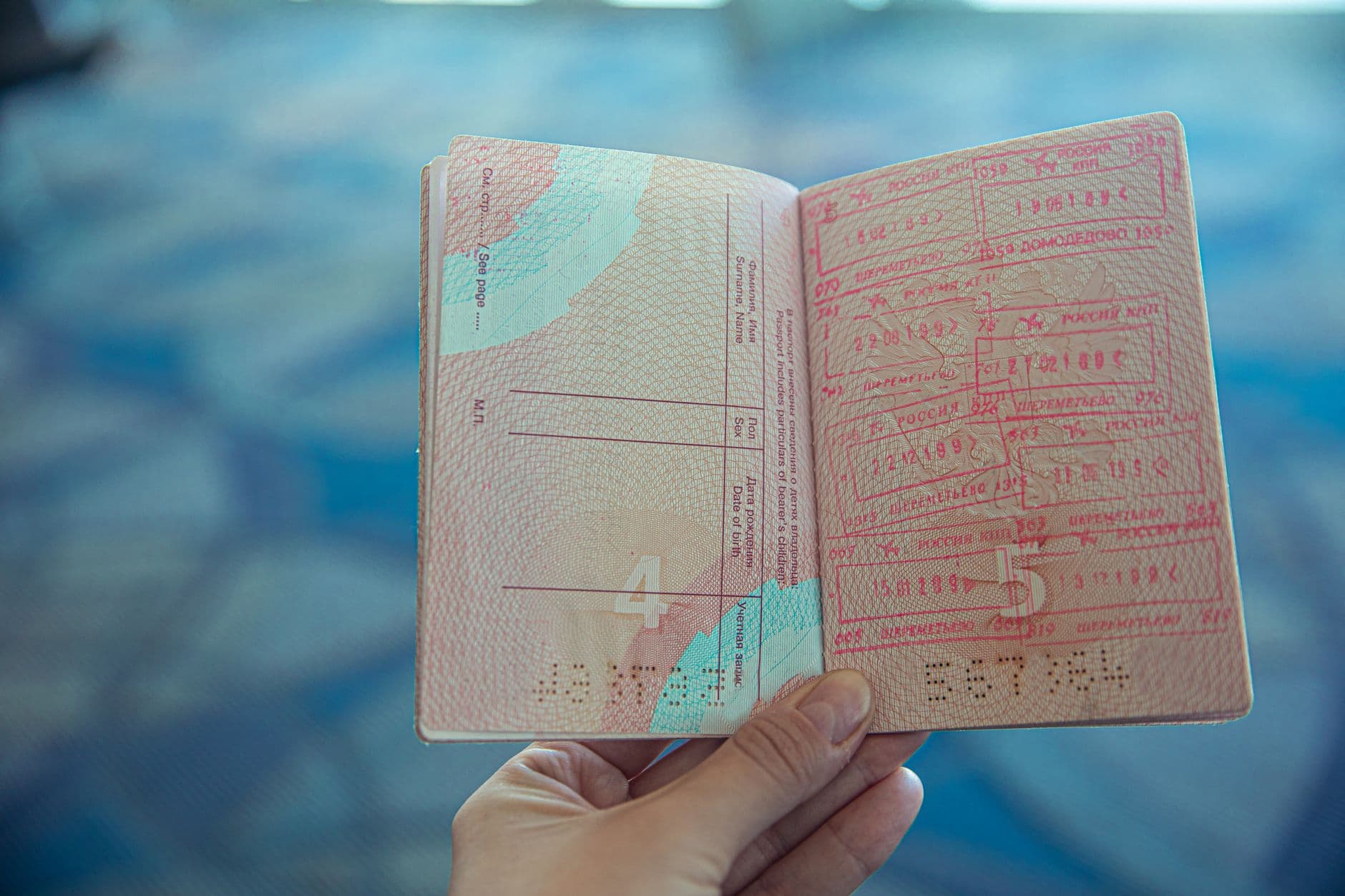
If you receive a Request for Evidence (RFE) from USCIS, you generally have up to 12 weeks (84 days), plus three days if it was mailed, to respond, and the deadline cannot be extended. An RFE is not a denial. It means USCIS needs more documents before deciding. Respond completely, on time, in a single submission, and with the original RFE notice on top.
Received an RFE and the clock is ticking? The Law Office of Tuan Le in Orange, CA, offers a 30-minute free legal consultation. Call us today at (714) 877-5840 or fill out the form to schedule your appointment.
A Request for Evidence is a notice from USCIS stating that your application is missing required evidence or that the evidence provided does not yet prove eligibility. It pauses your case. It does not end it. Many approved applications went through an RFE first.
Common triggers include missing documents, unclear relationship or employment evidence, inconsistent dates, and eligibility questions that the original filing did not fully answer.
Treat every one of these notices as urgent and read it carefully.
The response deadline is printed on the notice. Count from the date on the notice, not the date you received it. USCIS does not grant extensions, and a late response is treated as abandonment of the request, which can lead to denial.
The RFE lists exactly what USCIS wants. It usually separates missing initial evidence from additional evidence needed to establish eligibility. Make a checklist that matches each item.
Do not submit unrelated documents. Extra material can confuse the officer and raise new questions. Provide evidence that directly addresses each stated deficiency.
Include an index of exhibits and a short explanation of how each item answers the request. A well-organized response makes the officer's job easier.
USCIS requires one complete response. If you send documents in several packages, the agency treats it as a request to decide on the record you submitted first. Gather everything before you send it.
Place the notice on top of your package. USCIS uses it to route your response to the right officer.
Use a trackable mail method and keep copies of everything you send.

You can respond to a simple RFE yourself if the request is clear and you have the documents. Legal help is worth considering when:
An attorney can frame the legal argument, organize evidence, and spot risks you might miss. Immigration outcomes can affect your ability to live and work in the United States, so mistakes carry real consequences.
No. An RFE means USCIS needs more information. Many cases are approved after a complete and well-documented response. Denials most often follow incomplete, late, or contradictory responses.
No. The response period is fixed by regulation and USCIS does not grant extensions. If you need more time to gather documents, begin immediately and submit the response before the deadline.
If a document does not exist or is unavailable from the issuing authority, USCIS may accept secondary evidence, such as affidavits or alternate records, along with an explanation. An attorney can help you document why the primary record is unavailable.
Generally you should address the specific items requested. Where earlier evidence is relevant, reference it in your cover letter and include a copy when it helps the officer connect the dots.
Processing times vary by form type and service center. Check the USCIS case status page and processing time tool using your receipt number. You can also submit a case inquiry if your case is outside normal processing time.
It can. If your lawful status or work authorization depends on the pending application, delays can affect you. Raise any time-sensitive issues early with your attorney, who can advise on options.
Follow the delivery instructions in the notice. Most RFE responses must be mailed to the address listed, and filings made online should be answered through the online account. Always keep proof of submission.
Tuan Le Law helps clients with visas, citizenship, asylum, and deportation defense. Review our guidance on preparing a strong immigration application, how to expedite a USCIS case, and common immigration questions.
If you received an RFE, call (714) 877-5840 to discuss your deadline and next steps. This article is general information, not legal advice.
Related Articles
March 8, 2026
7 min read

December 22, 2024
7 min read

August 30, 2024
9 min read
Need guidance from an experienced immigration attorney?
Mr. Le offers a complimentary 30-minute consultation.